The Most Important Message This Christmas: Buy Fair Trade

12/17/08  Print This Post Print This Post    3 Comments   Popular   Written by Elodie Button
  • Stumble It

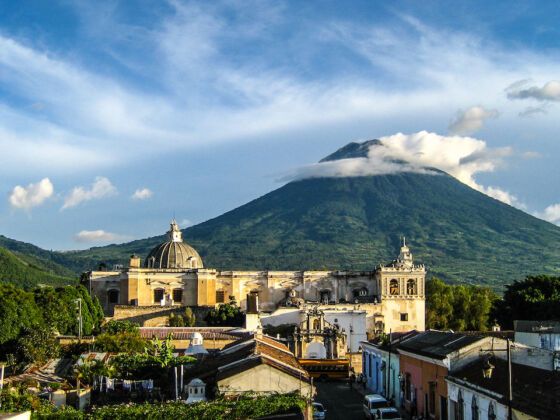
Photo: StormeTX

From the heart of Guatemala, Elodie Button sees first hand the effects of conscious consumption.

I work for a Canadian non-governmental organization in Guatemala, high up in the mountains of Comitancillo, San Marcos.

According to the Human Development Index, Guatemala is one of the poorest countries in the Americas, and has one of the worst rates of literacy, maternal mortality, and unemployment.

Canada ranks fourth.

Guatemala ranks 118th.

While Comitancillo is the poorest municipality of Guatemala, the women with whom I work are radiant and strong. A few weeks ago we went to a nearby village to participate in the closing ceremony of one of our leadership classes. I met one of the most empowered women I have ever known, a bright and motivated mother of 12 children, 10 of whom are living.

Meeting Cleofa

Cleofa has been receiving non-formal education classes for the past eight months. While not everyone in her class has learned as much as she, Cleofa is a model of change in her community.

She told me that her husband said if he couldn’t attend the classes, which are run for only women, then she should go and learn as much as she could about health and cleanliness, sexuality and menstruation, and human rights.

She told me women have rights to participate, to speak out, and that she tries to share these messages with her family and neighbours. Cleofa said the important thing isn’t just to listen and talk, but to do.

Change comes through action, she said.

Looking around the mud house in which the class is led, I saw many brilliant, hopeful women.

They had been arduously saving what little money they could scrape together for the last eight months as part of the class, and were about to have their savings matched by my organization. The 1000 quetzales (about $150 USD) they were about to receive was probably the most cash they had ever had at one time.

But looking around the house at their beautiful smiling faces, I also saw signs of intense malnutrition in the women and their children. Cracked, dry skin, bloodshot eyes, discoloured hair.

And I remembered that this is one of the poorest villages in the poorest municipality of one of the poorest countries in the world.

Malnutrition is a huge problem in these communities. Access to potable water is extremely limited. People don’t have access to the food they need and even if they had access to it, they wouldn’t afford to buy it.

While many of the people in this community dedicate their lives to growing nutritional foods like brussels sprouts, their produce all gets imported to the United States and Canada.

Making Conscious Choices

In the city, we sometimes get disconnected from the food we eat. It is easy to forget where our clothes come from.

But no matter how many water projects we do and how many savings matches we hand out, until we are ready to pay what our clothes and food are worth, these communities will continue to live in poverty.

So here is my holiday message to you: don’t buy things you don´t need, and think about what is behind everything you think about buying. Chances are those shoes or that purse or those jeans were made by small children in Asia.

Chances are the food you are buying was grown by farmers who weren’t paid enough for their produce to buy food for their family, let alone a holiday dinner.

Buy fair trade.

Fair trade ensures that the people on the production side are being paid a fair wage. Fair trade products sometimes cost more. But the reason they cost more is because someone in a completely different part of the world was actually paid for their work in the creation of this product.

Check out stores like Ten Thousand Villages or your local fair trade shops. We won’t save the world by buying fair trade, and far greater change is necessary, but if the movement picks up, larger companies will eventually have to start paying workers a fair wage.

Consumer pressure has forced all kinds of multinationals to go green. Consumer pressure could also force multinationals to go ethical.

It’s not a lot to ask. As Cleofa said, change comes through action.

COMMUNITY CONNECTION:

If you’re interested in learning more about where your clothes come from, check out Matador member Kelsey Timmerman’s book, Where am I Wearing: A Global Tour to the Countries, Factories, and People that Make Our Clothes.


  • Stumble It

About the Author

Elodie Button

Originally from Aylmer, Quebec, Elodie Button lives in Guatemala, learning from people and enjoying the sun and mountains. She looks forward to continuing to learn from people all around the world and sharing these lessons with others. She hopes that people will stop consuming so much, realize the consequences of their lifestyles, and take time to enjoy simple things.

3 Comments... join the discussion!

  • Tim Patterson replied on December 18, 2008

    Glad to see the shout out to Kelsey's book in the community connection - everyone should read it before going Christmas shopping.

    (Report comment)

    ↵ Reply
  • Sarah Menkedick replied on December 22, 2008

    Thanks for the timely article. Whenever I go back to the U.S I find it so hard to avoid getting sucked into a consumption rage…and I know that most of the stuff I want to buy was made in places where I have actually witnessed the impact of free trade. Arg, it's so hard! Can anyone offer some suggestions of affordable companies that practice fair trade? Sometimes it's so expensive that it's just out of my range (I am living on a meager freelance writing budget).

    (Report comment)

    ↵ Reply
  • chris replied on April 16, 2009

    Well written. I am beginning to feel that this issue is really picking up traction in the United States, but we are shooting our foots when we try to buy “fair trade” and it its still so expensive. Like Sarah who wrote above, many of us that are conscious of the issue do not have the biggest pocket book and cannot practice conscious spending as much as we would like. The idea of “fair trade” needs to become better expanded and available to more of the population.

    (Report comment)

    ↵ Reply

Leave a Comment

Get Matador by Email

12138 readers


Jump To Category:


Explore the Community


Latest Community Blogs

  • Today at work I decided not to make it my typical routine of a day, Instead I decided to read a book that was loan to me...
    » posted on 1 July 2009
  • So, on July 6th, I'm going to embark on my next expedition. A little different than my last one, this will be an overlan...
    » posted on 30 June 2009
  • In a landmark judgment issued on July 2, 2009, the Delhi High Court has decriminalized homosexuality in India.And while ...
    » posted on 2 July 2009

Popular Stories on Matador

"Daggering" in Jamaica: A Dance Craze Gone Too Far?

The spiraling popularity of "daggering" -- a "lewd" dan... 

10 Tattoo Clichés To Avoid At All Cost

If you have tattoos (like me) then you know people are ... 

Iran's Tiananmen: 5 Reasons We MUST Support Iranian Citizens on Saturday

70% of Iranians are under the age of 30. A change in go... 

What Can $150k Buy in Real Estate Around the World?

With the economic crisis bringing down housing prices w... 

How to Travel by Cargo Ship

You can definitely still travel to many locations in th... 

The Red Pill: 10 Films Guaranteed To Blow Your Mind

If you were offered the chance to learn the truth...wou... 


Focus


Blogroll