21st Century Refugees: Displaced By Climate Change

01/6/10  Print This Post Print This Post    6 Comments      Written by Abbie Mood
    Share
Feature Photo: m o d e / Photo above: AmazonCARES
Global warming and climate change have certainly become buzz words within the past five years.  For many of us, it’s something that will affect us in the future; the most we’ll notice is a change in the weather.

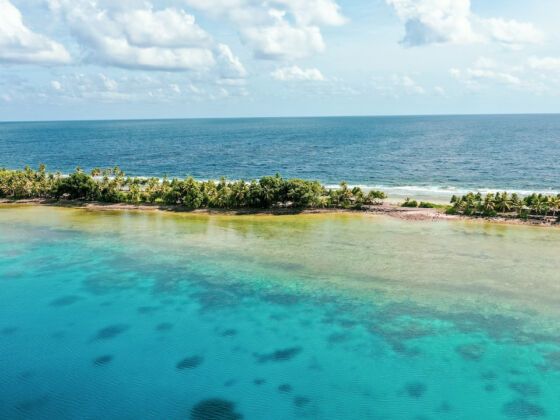
The inhabitants of the smaller islands in the Pacific Ocean notice the effects of climate change and rising sea level everyday, and each day that passes these people get closer and closer to becoming “environmental refugees.”

Cartaret Islands

The Cartaret Islands rise five feet above sea level, and due to flooding and high tides, are practically uninhabitable. The people of the Cartaret Islands have tried to save their land by creating sea walls and planting mangrove trees, but it is estimated that the islands will be totally submerged by 2015.

In 2007, the government of Papua New Guinea officially designated money to relocate the families living on the island, making them the first island residents in the world to be relocated by the government due to rising sea levels.

Tuvalu

Global warming has been a concern for Tuvaluans since the 1990s. The government even runs workshops to educate the residents about the impacts of climate change and how it continues to affect them.

Tuvalu’s highest point is 15 feet, much higher than some of the other islands, but most of the island is just over three feet above sea level. As with the Cartaret Islands, high tides are causing severe erosion and widespread flooding.

According to assistant secretary for Foreign Affairs Paani Laupepa,

“Even if we are not completely flooded, in 50 to 70 years we face increasingly strong storms and cyclones, changing weather patterns, damage to our coral reefs from higher ocean temperatures, and flooding of all our gardens.”

Maldives

At just four feet above sea level, the President of the Maldives, Mohamed Nasheed, has already pledged to use tourism revenue to buy land in India, Sri Lanka, and Australia for Maldivians to relocate to once their island is gone.

Over the next 90 years, the sea level is expected to rise two feet, and with the highest point in the capital city, Male, just three feet, the 70,000 people who currently live there might want to consider relocating for their future children’s sakes.

Not Just Islands

Not just the islands of the Pacific are feeling the effects of global warming and rising sea level. The coastlines of Chesapeake Bay in Delaware and parts of Florida are diminishing each year, but one of the major areas of concern is Bangladesh.

Bangladesh

Bangladesh is situated on a large delta, created by hundreds of tributaries of the Ganges and Brahmaputra Rivers. 90% of the land is on the flood plain, and 15-20% of the population lives on land that is just three feet above sea level.

Every year, storms and extreme flooding cause the communities in this area to be evacuated, and some permanently relocated.

Community Connection:

For more information, read Ian MacKenzie’s article about The First Casualties of Climate Change, or Julie Schwietert’s article, “Maldivians Abandon Archipelago; Establish New Country in Australia”.


    Share

About the Author

Abbie Mood

Abbie lives in Southern California and, in addition to being a freelance writer, teaches preschool Special Ed. Check out her website at abbiemood.com, or on Twitter @AbbieMood!

6 Comments... join the discussion!

  • Tim Patterson replied on January 6, 2010

    Nice post, Abbie. It’s important to note that most climate change refugees will not even be near an ocean – they’ll be displaced by changes in seasonal weather patterns.

    (Report comment)

    ↵ Reply
  • joshua johnson replied on January 6, 2010

    Damn. This stuff makes me sad for the future.

    (Report comment)

    ↵ Reply
  • Nancy replied on January 7, 2010

    Fascinating post, Abbie. Crazy and sad stuff.

    (Report comment)

    ↵ Reply
  • neha replied on January 8, 2010

    If this doesn’t convince people to take steps to curb climate change, I don’t know what will!

    (Report comment)

    ↵ Reply
  • Andrew Farrand replied on January 10, 2010

    Great post, Abbie.

    Tim brings up a good point – you don’t have to be on a shoreline to feel the negative effects of climate change. I wrote something on this a few months ago – http://www.ibnibnbattuta.com/2009/06/devolutionary-biology.html

    Neha – never underestimate the power of human stupidity and humans’ unwillingness to work together. As a species, we’re really a piece of work…

    (Report comment)

    ↵ Reply
  • Abbie replied on January 10, 2010

    Thanks for the comments, every little bit of awareness helps (hopefully – right Andrew?).

    (Report comment)

    ↵ Reply

Leave a Comment

Get Matador in your inbox and around the web.

Sign up for our FREE weekly newsletter.


View full list of RSS feeds

Jump To Category:


Explore the Community


Popular Stories on Matador

How To Avoid Unwanted Conversations

... 

In Defense Of The Introverted Traveler

Who says you need to be an extrovert to enjoy traveling... 

What Is The Decade's Best Gadget?

Take a wild guess...... 

Essential Cookbooks for the Culinary Traveler

The fastest way into the heart of a culture might very ... 

#MusicMonday: 50 Music Sites That Matter

Bored with your music collection? Feeling out of the m... 

The Hazards of Coming Home: Moving Back In With Mom & Dad

Anne Merritt ponders the comforts and contradictions of... 

The Most Obscene Debate On the Internet

Warning: You may find the photos in this article to be ... 

Ayahuasca Visions

Can a psychedelic brew from the Amazon really give you ... 

Why Science Needs To Bring Sexy Back

The scientific community is failing to elicit a sense o... 

The World's 12 Most Spectacular Houses of Worship

Eva Holland rounds up holy buildings that offer a power... 


Focus


Blogroll


Editor Blogs